


The Cash Home Buying Process in California: A Simple Step-by-Step Guide
The cash home buying process can feel confusing if you’ve only experienced traditional real estate sales. In California, selling directly to a cash buyer removes financing delays, inspection negotiations, and long waiting periods. Instead of months on the market, many homeowners complete a quick closing in days or weeks.
This guide explains each step clearly so you know exactly what to expect when you sell house for cash from first contact to the final signature.
Key Takeaways
- Start with a simple inquiry online, by phone, or email
- Receive a cash offer on house after a property review
- No repairs needed for an as-is home sale
- Choose your closing date
- Skip mortgage approvals and reduce delays
Understanding the Cash Home Buying Process
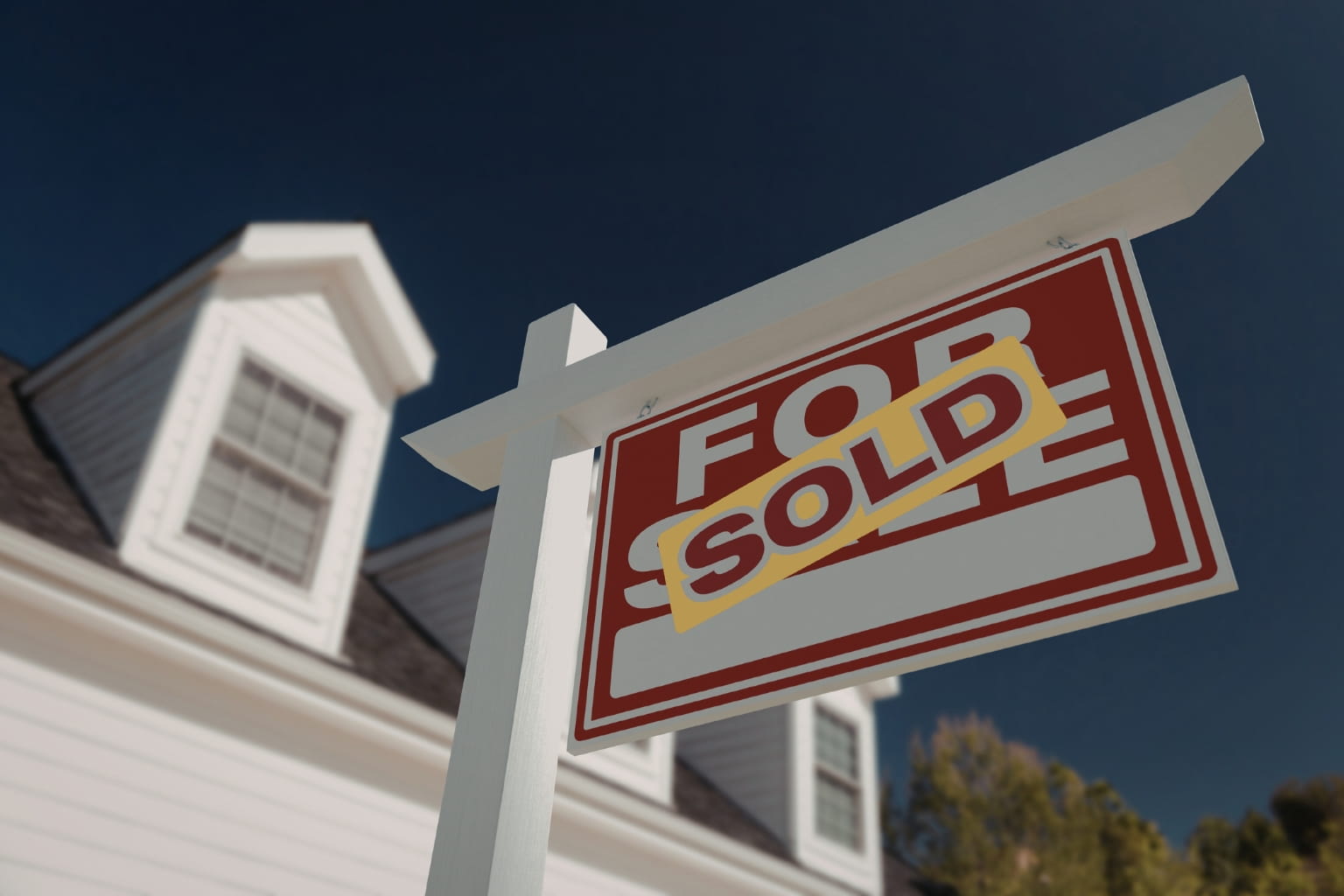
Unlike traditional listings, a cash transaction removes the lender entirely. Because no bank approval is required, the deal depends mainly on the property condition and title verification.
For comparison, in traditional sales, mortgage documents, such as a Closing Disclosure, are required by law to list all finalized loan terms before closing. However, cash purchases bypass this step since no lender is involved. In a typical mortgage closing, consumers get this disclosure at least three days before the closing date.
Why sellers choose cash buyers:
- Faster timelines
- Fewer showings
- No appraisal contingencies
- Predictable closing date
For many homeowners dealing with relocation, inheritance, or financial pressure, simplicity matters more than squeezing out the last dollar.
Step 1: Initial Contact

Your first step is reaching out to the buyer or company.
How to Contact
You can usually:
- Call
- Fill out a website form
- Send an email
- Message through social media
What Information You’ll Provide
To start the evaluation, share:
- Property address
- Home condition
- Occupancy status
- Your preferred timeline
You don’t need documents yet, just basic details.
Step 2: Property Evaluation

After the inquiry, the buyer reviews the home’s value.
How Value Is Estimated
They typically consider:
- Neighborhood sales data
- Current condition
- Needed repairs
- Local market demand
Unlike traditional buyers, they rarely require you to fix anything. This supports a true as-is home sale.
Real estate guidance from the National Association of Realtors explains that property value is primarily influenced by comparable sales, location, and condition, the same factors cash buyers use when calculating offers.
Step 3: Receive Your Cash Offer

Within about 24–72 hours, you receive a written offer.
What the Offer Includes
- Purchase price
- Estimated closing date
- Closing cost responsibility
- No repair requests
Because financing is not involved, the number you see is usually the amount you get, with no lender changes later.
Step 4: Review and Decide

Take time to review the terms.
Things to Check
- Net amount you’ll receive
- Move-out flexibility
- Closing fees
- Timeline fit
Must-Read Alert: While you're here, you might want to check out 5 Myths About Selling to Cash Home Buyers in California. It’s gaining serious traction and clears up common misconceptions sellers often have.
A good buyer explains everything clearly and lets you ask questions. There is usually no obligation to accept.
Step 5: Accepting the Offer

If you agree, you sign a purchase agreement.
This step officially starts escrow. The title company checks ownership records and prepares documents. No staging, no open houses, and no repeated showings are needed.
If you’re located in Silicon Valley, you can also learn how local purchases work here.
Step 6: Preparing for Closing

Now the process moves quickly.
What You’ll Do
- Confirm identity documents
- Coordinate move-out date
- Review the settlement statement
That’s it, no repairs, inspections, or bank underwriting.
Step 7: Closing Day

Closing can happen at a title office or remotely.
What Happens
- Sign the final paperwork
- Transfer ownership
- Receive payment (wire or cashier’s check)
Many sellers complete the entire transaction in under two weeks.
Benefits of Selling for Cash

Fast and Predictable Timeline
A traditional sale may take 60–120 days. Cash sales often close in 7–21 days.
No Repairs Required
You can sell damaged, outdated, or inherited property without fixing anything.
Fewer Risks
Because no loan approval is required, deals rarely fall apart.
Flexible Move-Out
Some buyers even allow extra days after closing if needed.
Conclusion
The cash home buying process is built for speed, clarity, and convenience. From first contact to closing day, every step removes the common obstacles of traditional real estate sales. If you need certainty, want to avoid repairs, or prefer a faster timeline, this method can be a practical solution.
By understanding each stage, inquiry, evaluation, offer, and closing, you can confidently decide whether a direct cash sale fits your situation and move forward without stress.
Check out this article next