


Do You Have to Evict Tenants Before Selling a Rental Property in California?
If you’re planning to sell a rental home, you may wonder whether you must evict tenants before selling a rental property in California. The short answer is no, state law allows owners to sell while renters remain in place, as long as existing leases and tenant rights are honored. In many cases, keeping occupants can even help attract real estate investors who want instant rental income. Still, understanding eviction laws, lease terms, and communication rules can protect you from costly mistakes.
Below, we’ll explain your options, outline tenant protections, and help you decide the best approach for your situation.
Key Takeaways
- California law does not require you to remove tenants before selling a rental home.
- Selling a rental property with tenants can appeal to buyers seeking cash flow.
- Owners must comply with California tenant rights and proper notice requirements.
- Clear communication reduces conflict and delays.
- Vacant homes may attract owner-occupants, but occupied ones often appeal to investors.
Understanding Tenant Rights in California

Before deciding whether to evict tenants before selling a rental property, learn how California protects renters. State and local laws often require “just cause” for eviction, especially in rent-controlled areas.
According to the California Department of Consumer Affairs’ Landlord-Tenant Guide, tenants generally have the right to:
- Receive written notice (30, 60, or more days depending on circumstances).
- Remain in the unit until a lease expires unless legal grounds exist.
- Live free from retaliation for reporting repairs or asserting legal rights.
Knowing these rules can help you avoid lawsuits and delays during escrow.
Reviewing Lease Agreements Carefully
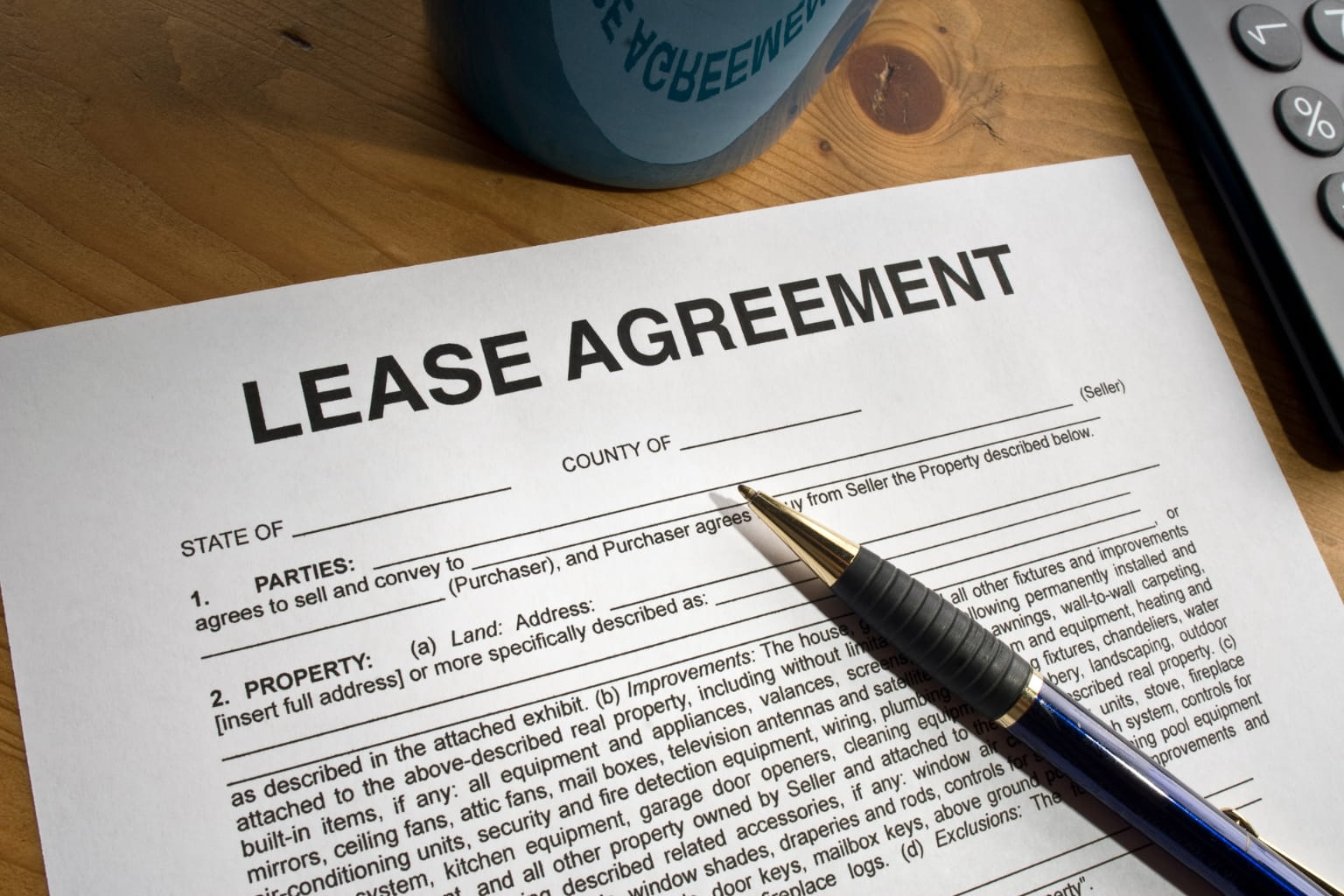
Every lease travels with the property when it sells. That means the new owner must honor the existing contract unless both parties agree otherwise. Many sellers review their options in advance, especially when selling a rental property with tenants in California.
What to Look For in a Lease
Check for:
- Lease length: Fixed-term vs. month-to-month.
- Termination clauses: Rules for early endings.
- Renewal language: Automatic extensions or notice requirements.
- Local rent-control limits: Some cities restrict evictions tied to sales.
Understanding these terms lets you plan whether selling with tenants or pursuing legal termination makes more sense.
The Eviction Process Explained

If you truly need to evict tenants before selling a rental property, you must follow strict legal steps. Skipping any part can restart the clock or expose you to penalties.
The California Courts website outlines the full unlawful detainer process here.
Must-Read Alert: While you're here, you might want to check out How to Evict Tenants Before Selling a Rental Property. It’s gaining serious traction and dives deeper into the legal process.
Typical Steps in California
- Serve Proper Notice: A written notice to cure or vacate.
- File an Unlawful Detainer: If tenants stay past the deadline.
- Attend Court: Present evidence and documents.
- Receive Judgment: A judge decides the case.
- Writ of Possession: Law enforcement completes the lockout if needed.
Because eviction laws in California are complex, many landlords work with an attorney before starting.
Benefits of Selling With Tenants in Place

In many situations, you may not need to remove renters at all. Selling a rental property with tenants can deliver real advantages:
- Immediate income: Buyers collect rent from day one.
- Investor appeal: Occupied homes often attract cash buyers.
- Lower costs: No vacancy or turnover expenses.
- Faster closings: Some deals move more quickly when cash flow already exists.
This approach often works well in strong rental markets, including neighborhoods like East Sacramento, where investors frequently search for homes through services such as this.
Tips for a Smooth Transition During the Sale

Whether or not you pursue eviction, communication matters. Respectful, open dialogue can prevent conflict and keep showings on schedule.
Best Practices for Landlords
- Notify tenants early about your plans to sell.
- Schedule showings with reasonable notice.
- Explain that their lease remains valid after the sale.
- Share contact details for the new owner once escrow closes.
- Address concerns quickly and professionally.
Strong cooperation protects your reputation and keeps deals from falling apart.
Conclusion
In California, you usually don’t have to evict tenants before selling a rental property, and in many cases, keeping them can actually boost buyer interest. By understanding California tenant rights, reviewing lease terms, and following eviction laws carefully, you can choose the smartest path forward. Whether you sell with renters in place or pursue legal termination, planning will save time, money, and stress while helping you close successfully.
Check out this article next