


Can You Sell a Home With Tenants Who Refuse to Leave in California?
Can you sell a home with tenants who refuse to leave in California? Yes, you can, but it often comes with legal and practical challenges. California has some of the strongest tenant protection laws in the country, and sellers must follow them carefully. Whether you are dealing with a lease agreement, a month-to-month renter, or an uncooperative tenant, knowing your options can help you move forward with confidence and avoid costly mistakes.
Understanding Tenant Rights in California

Before selling a rental property, it’s important to understand tenant rights under California law. In many cases, tenants are allowed to remain in the home even after it is sold, especially if they have a valid lease in place.
California’s Just Cause Eviction law limits when landlords can legally terminate a tenancy. Under California Civil Code §1946.2, a property owner generally must have a valid reason to end a tenancy, and selling the home alone does not always qualify as just cause. These rules are designed to prevent tenants from being displaced without proper legal grounds.
Reviewing the lease agreement and applicable local ordinances early can help sellers avoid delays, disputes, and potential legal consequences.
Can You Sell a Home With Tenants Who Refuse to Leave?

Yes, you can sell a home with tenants who refuse to leave, but the buyer must be willing to accept the tenants as part of the purchase. This situation is common when selling to real estate investors who are looking for immediate rental income.
Being upfront about tenant challenges helps set realistic expectations and protects you from legal issues later.
Types of Tenancies and How They Affect a Sale
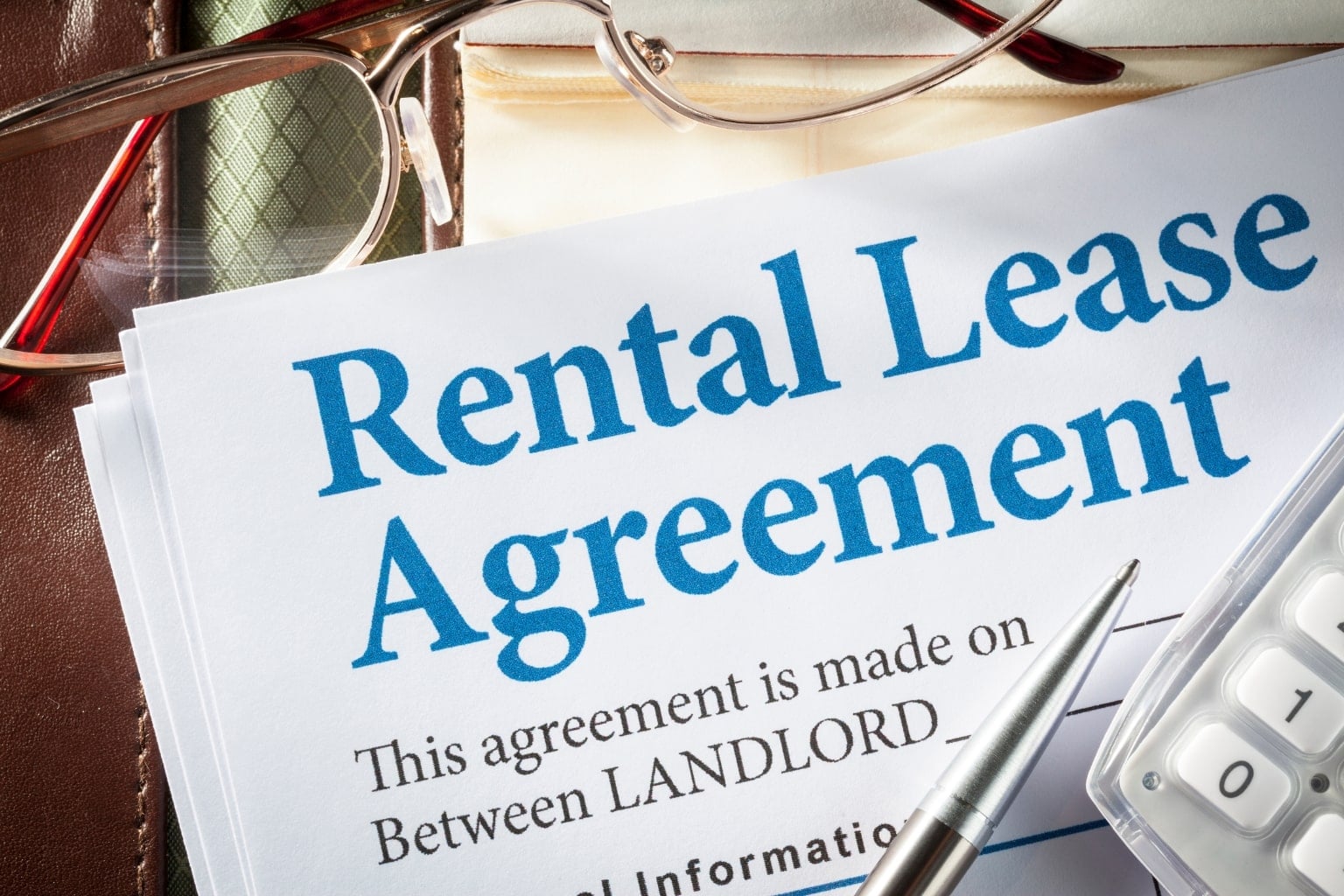
Fixed-Term Leases
A fixed-term lease usually stays in place after the sale. This can limit your buyer pool, especially if buyers want to live in the home themselves. Many sellers choose to market these properties specifically to investors.
Month-to-Month Tenancies
Month-to-month rentals offer more flexibility. With proper notice, you may be able to end the tenancy legally, depending on local “just cause” eviction rules. This option can make it easier to sell the property vacant.
For a deeper look at navigating sales with renters, this guide on selling rental property with tenants in California explains your options in more detail.
Legal Options If Tenants Refuse to Leave

If negotiations fail, eviction may be the only path forward, but it must be handled carefully. The process usually starts with serving a formal notice. If tenants still refuse to leave, landlords may file an unlawful detainer case.
The California Courts outline the legal eviction process and required notices, which vary based on the situation. Because mistakes can cause serious delays, many sellers consult an attorney before moving forward.
Hot Topic You Might Love: If you're enjoying this, don’t miss our latest post — How to Evict Tenants Before Selling a Rental Property. It’s getting attention and might just surprise you.
Negotiating With Tenants to Ease the Sale

Clear and respectful communication often leads to better outcomes. Explaining your plans and listening to tenant concerns can reduce tension. Some sellers offer incentives like moving assistance or flexible timelines in exchange for cooperation.
This approach can save time, protect the property’s condition, and make showings easier.
Marketing a Tenant-Occupied Property

Marketing a home with tenants requires a different strategy. Investor-focused listings often highlight steady rental income and long-term occupancy. Virtual tours can reduce disruption while still attracting serious buyers.
If your property is in Northern California, working with local buyers can help. For example, sellers exploring options in Sonoma may consider selling directly to buyers who specialize in tenant-occupied homes through services like we buy houses in Sonoma, CA.
Working With Real Estate Professionals

Selling a home with difficult tenants is rarely a solo job. Experienced real estate agents understand how to price, market, and negotiate around tenant issues. They can also help coordinate showings while respecting tenant rights and legal requirements.
Conclusion
Can you sell a home with tenants who refuse to leave in California? Yes, but success depends on understanding tenant rights, choosing the right legal strategy, and communicating effectively. Whether you sell to an investor or explore a direct sale option, careful planning and professional guidance can help you close the deal despite the challenges.
Check out this article next