


Property Taxes in California: Do You Pay Them When You Sell Your Home?
When selling a house, many homeowners worry about property taxes in California and how they affect the final payout. Within the first steps of closing, property taxes are usually prorated, meaning you only pay for the time you owned the home during the tax year. You may also face other costs, such as capital gains taxes and closing fees. Knowing how these rules work under California property tax law can help you plan and avoid surprises.
Below is a clear breakdown of what to expect when selling your home in the Golden State.
Key Takeaways
- Property taxes are prorated through the closing date.
- You usually do not make a separate payment at the sale; the escrow process handles it.
- Capital gains tax in California may apply to profits.
- Proposition 13 limits increases but triggers reassessment after a sale.
- Exemptions and deductions may reduce your total tax burden.
Understanding Property Taxes in California
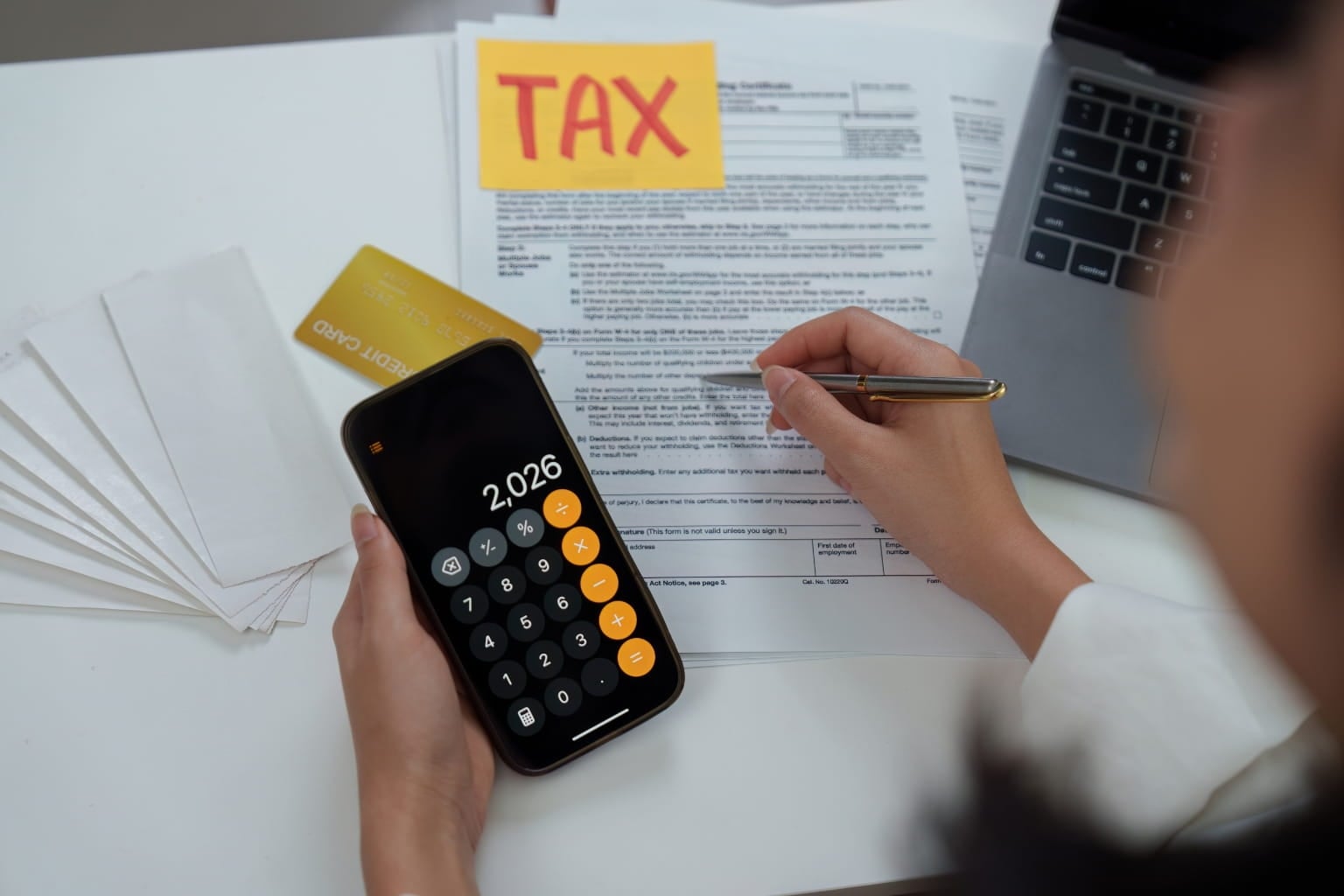
Property taxes are based on your home’s assessed value, which your county determines. Most homeowners pay about 1% of that value each year, plus any local voter-approved charges.
Counties reassess property when it changes ownership, which is why buyers often pay more than long-time owners. Local school bonds or community measures can also raise the total bill slightly.
Staying aware of how assessments work helps you estimate costs and budget for a sale.
How Proposition 13 Affects Homeowners

What Proposition 13 Does
Proposition 13 is a major part of California's property tax law. It limits the base tax rate to 1% of the purchase price and caps yearly increases at 2%, even if home values rise quickly.
This rule protects owners from sudden spikes in taxes and creates long-term stability. For a deeper background on federal tax treatment when selling a home, the IRS provides a helpful overview here.
What Happens After a Sale
Once a home sells, the county reassesses it at the current market value for the new buyer. While that doesn’t affect your past bill, it explains why newer owners often pay more in taxes than neighbors who bought years ago.
Understanding Proposition 13 helps both sellers and buyers see how taxes change over time.
Tax Obligations When Selling Your Home

When you sell, several taxes and fees may come into play.
Property Tax Proration
Escrow calculates your share of the year’s property taxes based on the closing date. If you sell halfway through the year, you only pay for the months you owned the home.
Capital Gains Taxes
You may owe capital gains tax in California on any profit from the sale. The amount depends on your income and how long you lived in the home. For a deeper dive, see this detailed guide on capital gains.
Some sellers also find it helpful to watch this explainer video on inherited property and taxes.
In many cases, homeowners can exclude:
- Up to $250,000 in profit if single
- Up to $500,000 if married filing jointly
You must have lived in the home for at least two of the past five years to qualify.
Other Possible Taxes
If you rented the home or claimed depreciation, you could owe depreciation recapture at ordinary income rates. This often surprises sellers, so it’s worth checking with a tax professional.
Must-Read Alert: While you're here, you might want to check out Can You Sell a Home With Back Taxes Owed? It’s gaining serious traction and could save you a lot of worry.
Potential Exemptions and Deductions

Some programs may lower what you owe.
Property Tax Exemptions
California offers partial relief through programs like:
- Homeowners’ Exemption
- Disabled Veterans’ Exemption
These usually reduce assessed value rather than eliminate taxes, but every bit helps.
Capital Gains Exclusions
As mentioned earlier, meeting residency rules can shield a large portion of your profit from federal and state taxes. Reviewing eligibility before listing your home can protect more of your proceeds.
Preparing for Closing Costs and Final Payments

Selling involves more than taxes alone. Closing costs in real estate transactions typically include:
- Agent commissions
- Title insurance
- Escrow fees
- Transfer taxes
- Recording charges
Along with these, your prorated property taxes are settled through escrow, so the buyer and seller each pay their fair share.
If you’re selling in Marin County, homeowners sometimes explore quick-sale options through local buyers such as this, especially when timing or repairs are concerns.
To avoid stress:
- Request a seller’s net sheet early.
- Review your most recent tax bill.
- Ask escrow for an estimate of prorated amounts.
Conclusion
When selling a home, property taxes in California do not usually require a separate payment at closing, but they are prorated so you cover only the time you owned the property. Proposition 13 shapes how taxes grow and why reassessment happens after a sale. Capital gains taxes, exemptions, and closing costs also affect your bottom line.
Understanding these rules helps you move through the sale with confidence and keeps unpleasant surprises off your closing statement.
Check out this article next