


5 Options to Avoid Foreclosure in the Bay Area
Falling behind on mortgage payments is stressful, especially with high housing costs in Northern California. If you’re worried about losing your home, understanding your options to avoid foreclosure in the Bay Area can help you act before it’s too late. The sooner you explore solutions, the more choices you usually have.
Below are five realistic options to avoid foreclosure in the Bay Area that can help homeowners protect their finances and move forward with confidence.
Communicate With Your Lender Early

One of the most effective options to avoid foreclosure in the Bay Area starts with something simple: communication. Reaching out to your lender early may open the door to flexible solutions designed to help homeowners facing hardship.
Many lenders offer repayment plans or temporary relief if they understand your situation. Being upfront about job loss, reduced income, or medical expenses often leads to more cooperation.
Ask About Temporary Relief Options
Some lenders allow forbearance or alternative payment plans, which pause or restructure payments while you get back on your feet. According to the U.S. Department of Housing and Urban Development (HUD), early communication significantly improves the chance of avoiding foreclosure through lender-approved solutions.
Explore Loan Modification Programs

Loan modifications can reduce monthly payments by adjusting loan terms, interest rates, or repayment length. For homeowners with steady income but high mortgage costs, this is one of the most common foreclosure prevention strategies.
Being organized matters. Gather your financial documents and write a clear hardship letter explaining why you need help.
When Loan Modification Isn’t Enough
If a modification doesn’t solve the problem, selling before foreclosure may still protect your credit. In fact, pre-foreclosure sales are often used to responsibly exit a mortgage. You can learn more about this option here.
Consider a Short Sale

If keeping your home is no longer realistic, a short sale may be a healthier alternative to foreclosure. This option allows you to sell the home for less than what’s owed, with lender approval. Many homeowners compare the pros and cons before deciding, and this guide on foreclosure vs. short sale in California breaks down the key differences in credit impact, timelines, and long-term outcomes.
A short sale can reduce long-term credit damage compared to foreclosure and help you move on financially. It’s especially useful in competitive Bay Area markets where homes still attract buyers.
Get Help With Negotiations
Working with professionals who understand lender negotiations can make the process smoother and prevent costly delays.
Look Into Government Assistance Programs

Federal and state programs offer assistance specifically designed to help homeowners avoid foreclosure. These programs may include payment relief, loan restructuring, or housing counseling.
Local agencies in the Bay Area also provide education and one-on-one guidance. HUD-approved counselors offer free or low-cost help and can explain legitimate options without pressure.
To better understand the financial impact of foreclosure, this video explains what many homeowners face long after losing a property.
Seek Professional Help From Foreclosure Advisors

Foreclosure advisors specialize in foreclosure prevention and can help you compare options based on your exact financial situation. They also help homeowners avoid scams, which are unfortunately common during financial distress.
For some homeowners, selling quickly may be the most realistic solution, especially if time is limited.
Must-Read Alert: While you're here, you might want to check out How to Stop Foreclosure Fast in California. It’s gaining serious traction among California homeowners facing urgent timelines:
Local Solutions for Bay Area Homeowners
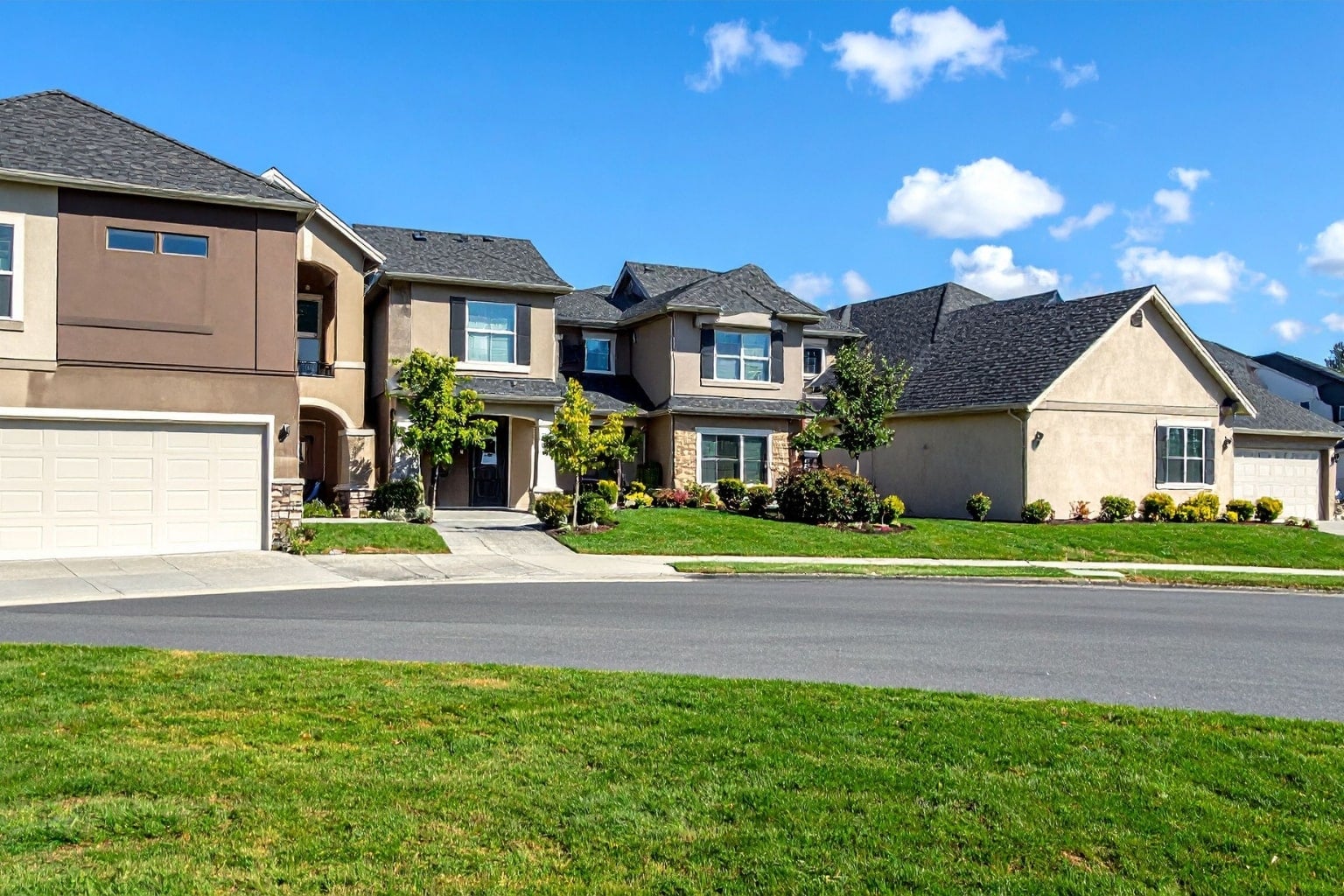
Housing challenges vary by city. In high-cost areas like San Francisco, speed and certainty often matter more than top dollar. If you’re exploring a fast sale option, you can learn more about local solutions here.
Conclusion
Facing foreclosure can feel overwhelming, but you do have choices. By understanding your options to avoid foreclosure in the Bay Area, from lender communication and loan modifications to short sales and professional guidance, you give yourself the best chance for a positive outcome. Acting early and seeking reliable help can protect your finances and provide a clearer path forward.
