


Selling A Property That Needs Major Structural Work
Selling a property that needs major structural work can feel overwhelming, but with the right strategy, it’s entirely possible to attract the right buyer and achieve a fair price. Whether you’re dealing with foundation issues, water damage, or roof problems, the key is to understand your options, be transparent, and market wisely. In this guide, we’ll break down how to handle disclosures, explore repair vs. as-is options, price effectively, and connect with motivated buyers such as real estate investors and cash home buyers.
Key Takeaways
- Get a professional home inspection to identify and document major structural issues.
- Price your home realistically by factoring in repair costs and current market conditions.
- Consider selling as-is to attract cash buyers and investors who specialize in fixer-upper homes.
- Always disclose known defects to avoid legal issues and build trust with buyers.
- Use targeted marketing strategies to highlight your property’s potential and unique features.

Structural Issues Before Selling A Property That Needs Major Structural Work
When selling a property that needs major structural work, the first step is understanding what these problems mean for both you and potential buyers. Issues like foundation settlement, water intrusion, or wood rot not only affect your property’s safety but also its market value.
Hiring a licensed inspector is crucial—it helps you clearly identify the extent of the damage and provides documentation for full disclosure. Remember, in most states, failing to disclose known defects can lead to legal complications. According to Investopedia, honesty is essential to protect both sellers and buyers.
Must-Read Alert: While you’re here, you might want to check out How to Sell a Flood Damaged House Fast. It’s gaining serious traction and offers practical advice if water damage is one of your concerns.
Assessing the Severity of Structural Damage
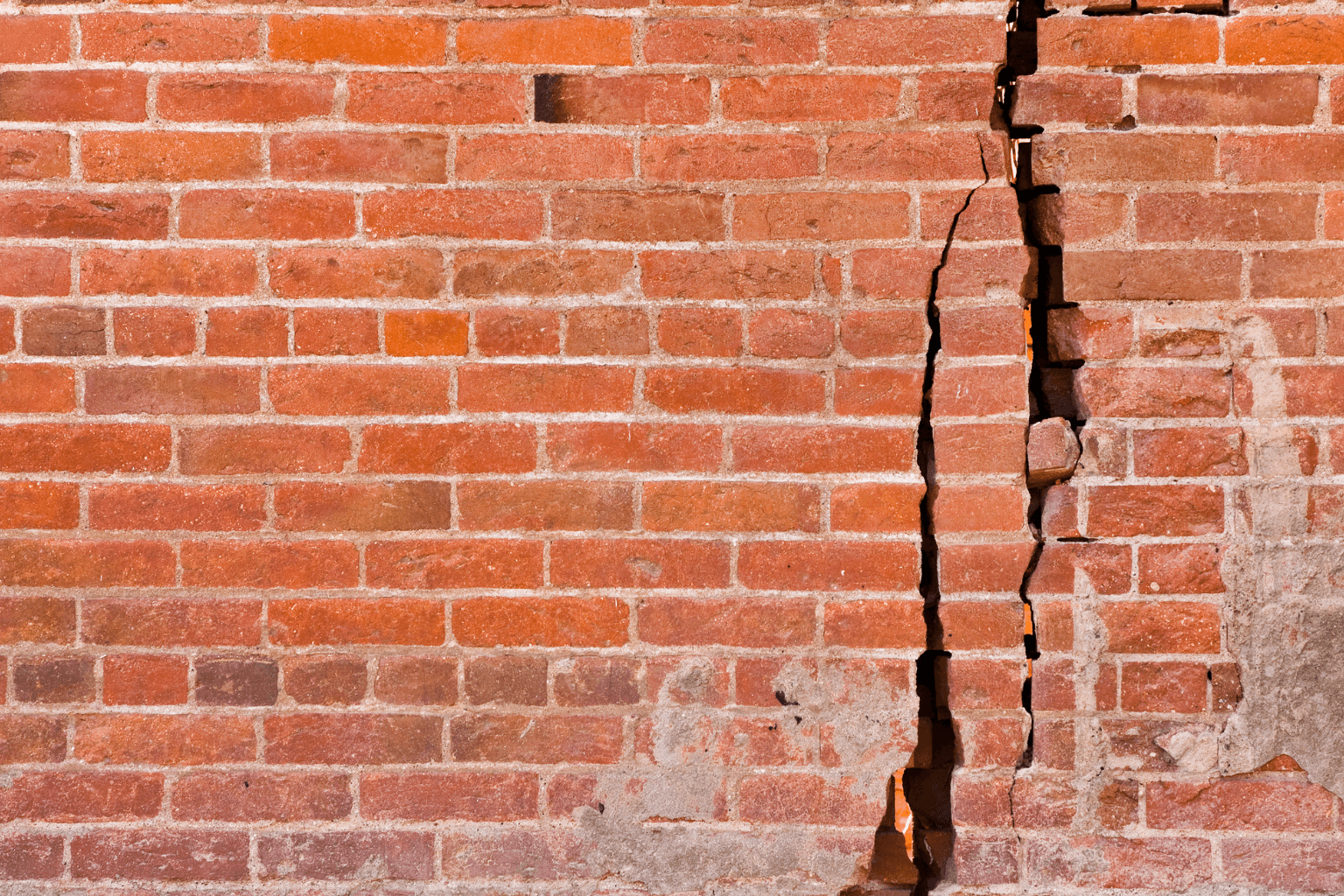
Structural problems vary in cost and impact. Minor foundation cracks may only require basic repairs, while severe settling could cost tens of thousands of dollars to fix.
If you’re planning to sell, here’s why assessing severity matters:
- Safety: Buyers need reassurance that the property is structurally sound or repairable.
- Financing: Homes with major defects often fail traditional financing, limiting your buyer pool.
- Value: Severe structural problems typically lower property values by 10–30%.
By getting repair estimates upfront, you’ll be prepared to negotiate confidently and set realistic expectations.
The Importance of Honest Disclosure
Honesty is not just the best policy—it’s the law. Sellers must disclose known issues when marketing homes with major defects. Benefits of full disclosure include:
- Legal Protection: Avoids lawsuits or canceled contracts.
- Buyer Trust: Transparency builds credibility.
- Smooth Negotiations: Buyers appreciate clarity, even if it means a lower asking price.
If you’re selling an inherited home, you may also need to navigate probate-related rules. Here’s a helpful resource on probate sales in California that explains the process and what to expect.
Repairing vs. Selling As-Is
One major decision is whether to invest in repairs or sell as-is.
When Repairs Make Sense
If minor updates can significantly boost your home’s appeal, repairs might be worthwhile. For example, addressing cosmetic damage or fixing small leaks can raise your property value.
When Selling As-Is Works Best
If the repairs are extensive—such as foundation replacement or structural roof work—it may be smarter to sell as-is. This option attracts:
- Cash home buyers are looking for quick transactions.
- Real estate investors and flippers are searching for fixer-upper opportunities.
By selling as-is, you save time and money, though you may need to accept a lower offer.

Pricing Strategies for Homes With Structural Issues
Pricing is critical when selling a property that needs major structural work. Set it too high, and buyers will walk away; set it fairly, and you’ll attract serious interest.
Tips for pricing strategically:
- Use a comparative market analysis (CMA) to gauge value.
- Deduct estimated repair costs from your asking price.
- Emphasize location and potential to offset structural drawbacks.
In many cases, homes with major repairs sell 10–30% below market value, but a transparent pricing strategy helps buyers see the opportunity instead of the problem.
Targeting the Right Buyers
Not every buyer is right for a fixer-upper. Instead, focus on:
- Investors and flippers who specialize in renovating distressed homes.
- Cash buyers who can close quickly without lender restrictions.
- First-time buyers looking for discounted properties they can customize.
For example, if you live in Marin County, connecting with professionals who say we buy houses in Sausalito, CA, could lead to a quick, hassle-free sale.

Marketing a Home That Needs Work
Even homes with structural issues can shine with the right marketing approach.
- Highlight unique features like location, lot size, or architectural style.
- Use high-quality photos and consider virtual tours to showcase potential.
- List on platforms that attract investors and cash buyers.
By focusing on opportunity rather than problems, you’ll attract buyers who see beyond the repairs.
Negotiating With Buyers
Negotiating a deal on a home with major repairs requires preparation and flexibility.
- Anticipate buyer concerns by having repair estimates ready.
- Stay transparent about known issues to avoid disputes.
- Highlight long-term value, such as appreciation potential after renovations.
Some buyers may also ask if the home is at risk of being condemned. For a quick primer, check out this video: What Makes a House Condemned?.

Alternative Options When Selling A Property That Needs Major Structural Work
If traditional selling feels overwhelming, consider these alternatives:
- Cash home buyers: Quick sales without repairs or hidden fees.
- Auctions: Fast but often lower-value sales.
- Seller financing: Attracts buyers unable to secure conventional loans.
- Short sale: If you owe more than the property is worth, this can help avoid foreclosure.
Each option comes with trade-offs, but all provide ways to move forward without sinking money into major repairs.
Working With Real Estate Professionals
An experienced real estate agent is invaluable when selling a home with structural issues. The right professional will:
- Price your home realistically.
- Help with legal disclosures.
- Market strategically to investors and cash buyers.
You may also want to consult a real estate attorney to ensure full compliance with disclosure laws.

Conclusion
Selling a property that needs major structural work is no easy task, but it’s far from impossible. With transparency, smart pricing, and targeted marketing, you can connect with buyers ready to see the potential in your home. Whether you choose to make repairs, sell as-is, or work with cash buyers, the key is to approach the process with honesty and strategy. With the right plan, you’ll turn a challenging situation into a successful sale.
